Facebook Verification for Agencies: A Comprehensive Guide
Published 6/10/2026 · English-only editorial content
Introduction to Facebook Verification for Agencies Facebook verification is a process that helps businesses and organizations establish their authenticity on the platform. For agen...
Introduction to Facebook Verification for Agencies
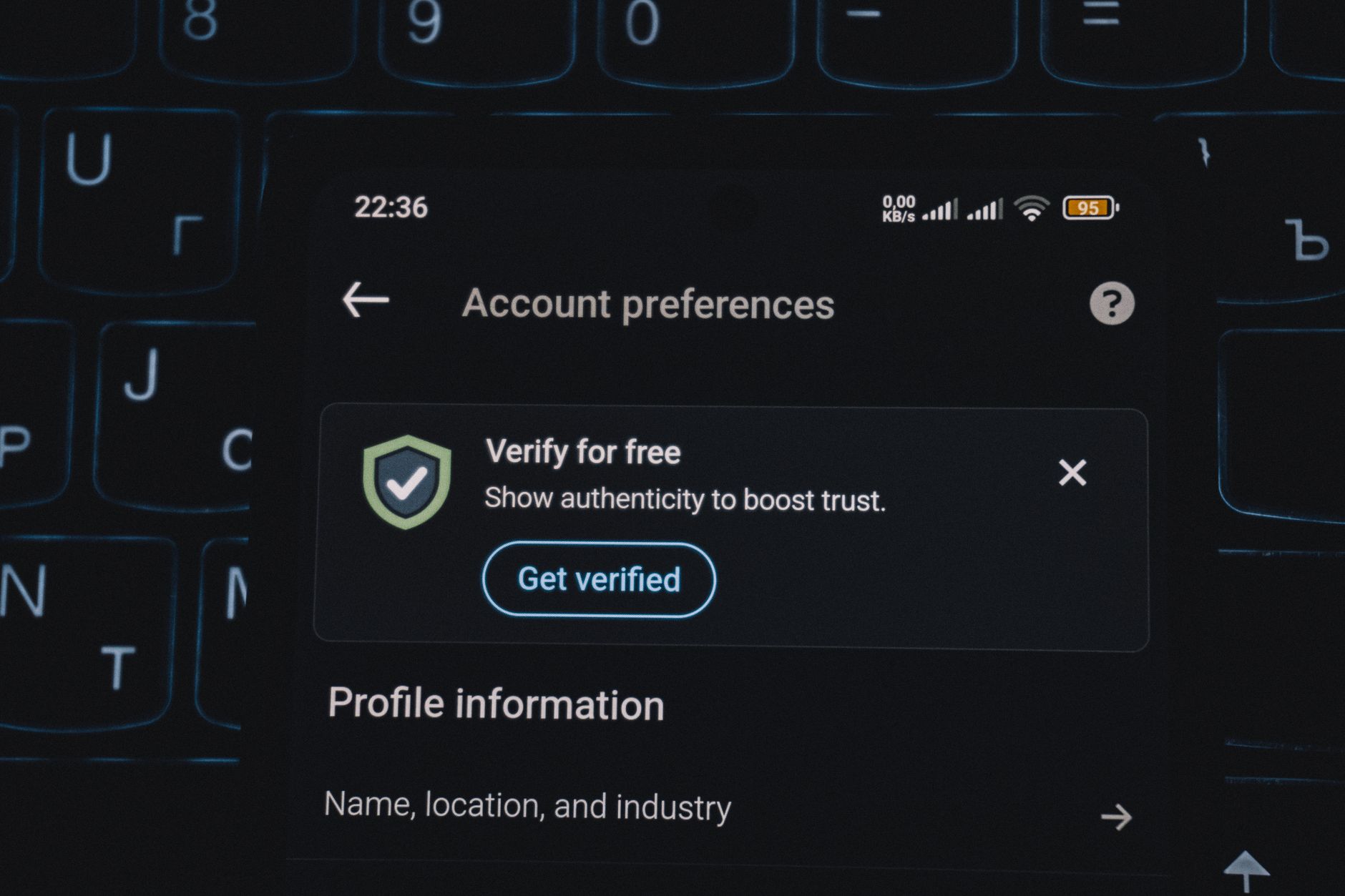
Facebook verification is a process that helps businesses and organizations establish their authenticity on the platform. For agencies, verifying their Facebook presence is crucial for building trust with their audience, enhancing their brand reputation, and improving their overall online security. In this article, we will delve into the world of Facebook verification for agencies, exploring its benefits, the verification process, and providing actionable guidance on how to get verified.
Benefits of Facebook Verification for Agencies
Verification on Facebook comes with several benefits that can significantly impact an agency's online presence and security:
- Established Authenticity: A verified badge next to an agency's name signifies that Facebook has confirmed the agency's identity, helping to build trust with potential clients and partners.
- Improved Visibility: Verified agencies may experience better visibility in search results, making it easier for people to find them.
- Enhanced Security: The verification process involves confirming an agency's identity, which can help protect against impersonation and phishing attempts.
- Access to Advanced Features: Verified agencies may have access to more features and tools on Facebook, which can be beneficial for managing their online presence and engaging with their audience.
Eligibility Criteria for Facebook Verification
Not all agencies are eligible for verification. Facebook typically verifies profiles that are:
- Public Figures: Celebrities, public figures, or individuals with a strong online presence.
- Businesses and Organizations: Companies, non-profits, and government agencies that have a physical presence and are registered with their local government.
- Media Outlets: News organizations, magazines, and other media entities.
- Brands and Products: Established brands and products that have a significant following.
The Facebook Verification Process for Agencies
The verification process on Facebook involves several steps:
- Ensure Your Profile is Complete: Make sure your agency's Facebook profile is complete, including a profile picture, cover photo, and detailed 'About' section.
- Apply for Verification: Go to your agency's Facebook page, click on 'Settings', then 'General', and look for 'Page Verification'. Click on 'Verify this Page' and follow the prompts.
- Submit Required Documents: You will be asked to submit documents that prove your agency's identity. This could include a utility bill, business license, or articles of incorporation.
- Wait for Review: After submitting your application, wait for Facebook to review it. This process can take several days to several weeks.
Tips for a Successful Facebook Verification Application
To increase the chances of a successful verification application, consider the following tips:
- Use a Recognizable Profile Picture and Cover Photo: Ensure your profile picture and cover photo clearly represent your agency's brand.
- Provide Detailed Information: Make sure your 'About' section is detailed and includes relevant information about your agency.
- Engage with Your Audience: Show Facebook that your agency is active and engaging by regularly posting content and interacting with your followers.
- Be Patient: The verification process can take time, so be patient and avoid submitting multiple applications.
Common Reasons for Facebook Verification Rejection
Understanding why verification applications are rejected can help agencies improve their chances of success:
- Incomplete Profile: A profile that lacks essential information can lead to rejection.
- Lack of Public Presence: Agencies without a significant online or offline presence may find it challenging to get verified.
- Insufficient Documentation: Failing to provide the required documents or submitting inadequate proof of identity can result in rejection.
- Policy Violations: Agencies that violate Facebook's policies, such as those related to spam or harassment, may be ineligible for verification.
Maintaining Facebook Verification
Once verified, it's essential to maintain compliance with Facebook's policies and guidelines to avoid losing verification status:
- Regularly Update Your Profile: Keep your profile information up-to-date to reflect any changes in your agency.
- Adhere to Facebook's Policies: Ensure all content and interactions comply with Facebook's community standards and advertising policies.
- Monitor Your Account Security: Regularly review your account's security settings and watch for any suspicious activity.
Conclusion
Facebook verification for agencies is a valuable tool for establishing authenticity, improving visibility, and enhancing security. By understanding the eligibility criteria, following the verification process, and adhering to Facebook's guidelines, agencies can successfully verify their presence on the platform. Remember, verification is not a one-time process; it requires ongoing effort to maintain compliance and ensure the continued integrity of your agency's online presence.
Related articles
Unlocking Efficient Resolution: The Importance of Priority Support Channels
Introduction to Priority Support Channels In the vast and complex landscape of digital services, ensuring the security and integrity of user accounts is paramount. One crucial aspe...
ReadUnderstanding Safe Execution Protocol for Enhanced Cyber Security
Introduction to Safe Execution Protocol The safe execution protocol is a critical component of cyber security that ensures the secure execution of code and programs within an organ...
ReadThe Power of Success Proof Screenshots: Boosting Credibility and Trust in Social Media
Introduction to Success Proof Screenshots Success proof screenshots have become an essential tool for individuals and businesses looking to establish credibility and trust with the...
Read